AI Fantasy Writing
How to write a fantasy novel with AI
A real founder case study on using AI to write a fantasy novel, where generic chat breaks, and how StoryForge helped turn The Twelve Wards into a repeatable book workflow.
If you want to write a fantasy novel with AI, the hardest part is not getting words.
The hard part is keeping the book alive after chapter 8.
Fantasy has more load-bearing material than most genres. You are carrying maps, magic rules, factions, monsters, recurring names, invented history, tone, character wounds, series promises, and the simple problem of making each chapter feel like it belongs to the same book.
That is where direct chat starts to break.
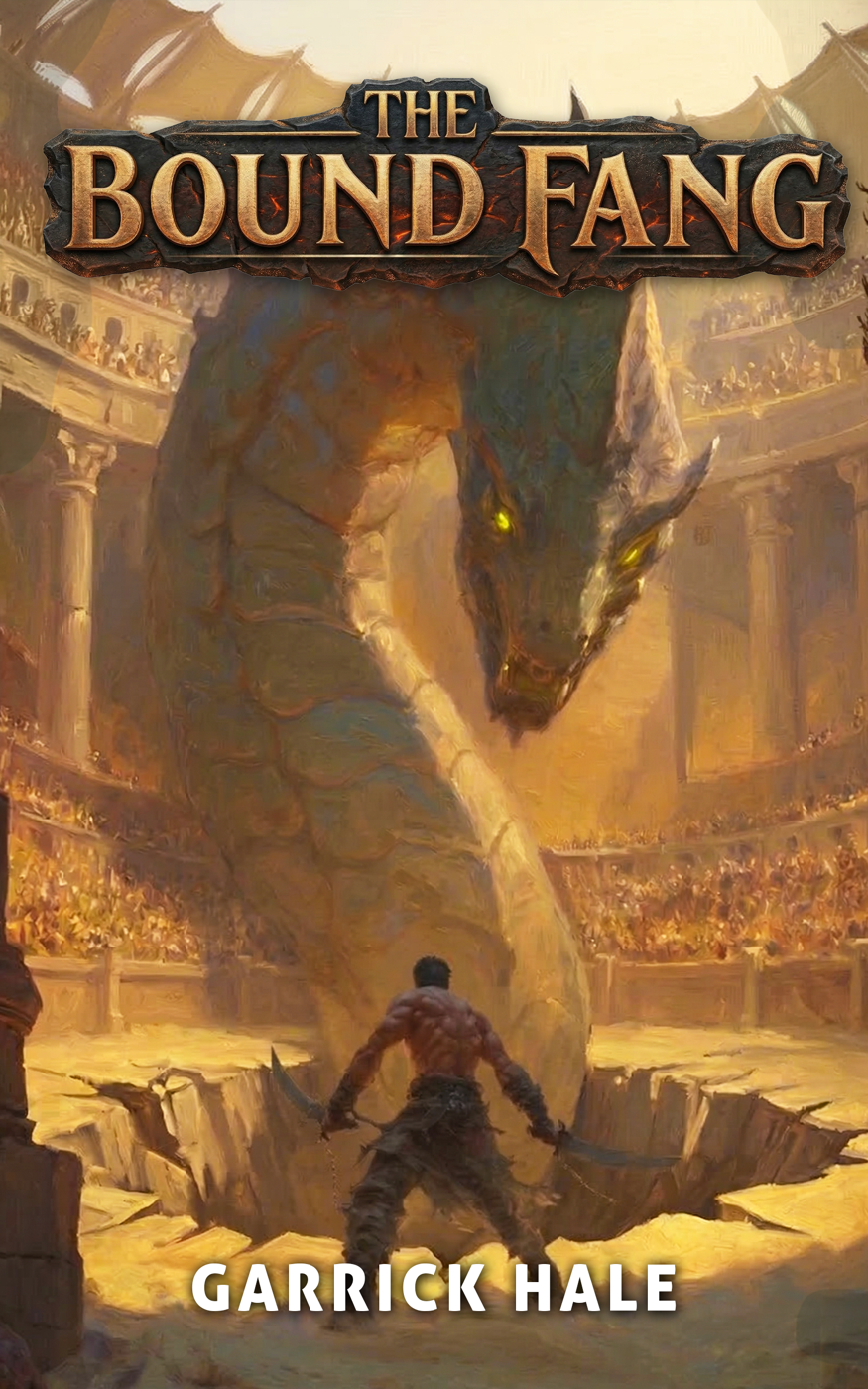
I know because I have been building StoryForge while using it on a real sword-and-sorcery series called The Twelve Wards. Book 1 is The Wailing Spire. Book 2 is The Bound Fang. Book 3, The Choir Abomination, reached 20 drafted chapters and 63,944 words in the repo.
This is not a theoretical workflow.
It is what I learned while trying to make AI useful for an actual dark fantasy series, not a demo paragraph.
The searchable answer first
The best way to write a fantasy novel with AI is to stop treating the AI like a single prompt box.
Use AI inside a structured book workflow:
- define the genre promise
- build the outline
- create the story bible
- lock the voice
- draft chapters against canon
- track chapter-end state
- run continuity checks
- edit in passes
- score publish readiness
- export the book
That sounds less magical than "write my fantasy novel."
Good.
A fantasy novel is not magic. It is architecture.
What happened with The Wailing Spire
The Wailing Spire started with a commercial dark fantasy shape: a disgraced warrior, one contained supernatural location, a mythic boss, and a series engine that could carry 10 or more books.
The core hook was simple enough to explain:
The mountain was only the first.
That line mattered because it did what good fantasy series hooks do. It finished the current book while opening the next door.
But the book itself needed more than a hook. It needed a system.
The project had a genre spec, outline, beat sheet, character files, creature files, world rules, a voice spec, a manuscript folder, validation reports, editing reports, and a publishing state. The repo history shows the actual path:
- Book 1 moved from outline to 20 chapters.
- It went through developmental edit, line edit, copy edit, proofread, beta read, and market proofread.
- The publish readiness gate scored it 85 out of 100, with completion at 100, craft at 99, reader engagement at 90, and market readiness at 86.
- Then the publishing pipeline produced cover art, EPUB files, and a KDP checklist.
That is the part most AI writing advice skips.
The draft is not the finish line. It is the beginning of the operational problem.
The fantasy-specific problem
Fantasy breaks AI in a few predictable places.
First, names drift.
A minor village contact becomes a different person three chapters later. A mountain changes spelling. A relic weapon speaks too often because the model likes the voice. A monster gets described twice because the system forgot the first introduction happened.
Second, rules drift.
If magic has a cost in chapter 4, the book cannot forget that cost in chapter 14. If the Ward system is prison architecture, every boss cannot turn into generic dark power. The story needs to remember what kind of world it is.
Third, voice drifts.
The voice spec for The Wailing Spire was not "dark fantasy." That is too vague. It was cold, restrained, tragic, myth-weighted, masculine, and direct. It favored weight over ornament. Silence over speech. Structure over spectacle.
That is why short lines like these work:
This isn't a building.
Your blood returns.
Thank you.
Those lines are not complicated. They land because the system around them has done the work. The fortress has been established as body, prison, boss, and tragedy. By the time someone says "This isn't a building," the line carries the whole premise.
That is what you are protecting when you write fantasy with AI.
Not just continuity.
Pressure.
ChatGPT can help, but it will not carry the whole castle
ChatGPT is useful for fantasy writing.
I use direct chat thinking all the time. It can help test a premise, interrogate a scene, rewrite a paragraph, pressure-test a magic rule, or generate alternate versions of a chapter beat.
For one chapter, it can be great.
The trouble begins when the book becomes a system of dependencies.
By chapter 12, you are no longer asking for "a cool fantasy scene." You are asking the model to remember the emotional residue of chapter 3, the promise made in chapter 6, the exact way the protagonist avoids confession, the cost of the fragment in his body, and the market shape of the book you are writing.
In direct chat, you carry that burden manually.
You paste context. You summarize. You correct. You remind. You re-explain. You do file management by hand. The AI is writing, but you are still the production system.
That is fine for a scene.
It is not fine for a 60,000-word book.
What StoryForge did differently
StoryForge helped because it treated the novel like a workflow instead of a conversation.
For The Twelve Wards, the book was split into durable layers:
- genre contract
- outline
- beat sheet
- character registry
- creature registry
- location rules
- forbidden rules
- voice specification
- chapter states
- manuscript drafts
- validation reports
- editing passes
- publishing artifacts
That structure changes what AI is allowed to do.
It cannot just improvise forever. It has to draft against the outline. It has to preserve the voice. It has to respect the registry. It has to pass checks after the manuscript exists.
That matters in fantasy because the reader can feel when the book stops respecting itself.
If the fortress is not just a building, every later description has to remember that. If the Ward-Bearers are prisoners, not monsters, the climaxes cannot collapse into generic boss fights. If power always costs the body, the protagonist cannot get clean upgrades without damage.
The system keeps those promises visible.
The real win was not Book 1
The real proof came when the process repeated.
Book 2, The Bound Fang, moved through the same kind of workflow and improved through the pipeline. The publish readiness report shows the score rising from 84 to 91 after six surgical fixes, including continuity repairs, pacing compression, and a blade retrieval gap.
That is boring in the best way.
The system did not just draft more prose. It found production issues and helped move the manuscript toward publishable.
By Book 3, The Choir Abomination, the process could inherit prior voice and canon. The book had a different sensory identity, built around acoustic dread, but it did not start from zero. It carried the same protagonist, the same Ward logic, the same series arc, and the same structural discipline.
That is the thing I care about as a builder.
Not "can AI write a scene?"
Yes. Obviously.
The better question is whether AI can help an author build a repeatable novel-production system where book 3 still knows what book 1 promised.
What I would do if I were starting today
If you are trying to write a fantasy novel with AI, I would build the workflow in this order.
Start with the promise.
Do not start with chapter prose. Define the reader experience. Dark fantasy, cozy fantasy, progression fantasy, romantasy, epic fantasy, sword-and-sorcery, portal fantasy, LitRPG, and mythic fantasy all make different promises. The AI needs to know which shelf you are writing for.
Then build the spine.
Fantasy authors love worldbuilding, but the book still needs a spine. Who wants what? What changes if they fail? What makes this book complete even if it belongs to a series?
Then build the rules.
Magic rules. Power costs. naming rules. creature rules. forbidden tropes. Things the book is not allowed to do.
Then lock the voice.
Do not tell the AI "write dark and gritty." That is not a voice. Give it samples, sentence rhythm, dialogue rules, sensory priorities, and banned moves. In The Wailing Spire, the voice was not just mood. It was a contract.
Then draft chapter by chapter.
One chapter at a time. Each chapter should know what happened before, what must happen now, and what state it leaves behind.
Then edit like a publisher.
Run a continuity audit. Run a line edit. Run a copy edit. Run a proofread. Run a market read. Score the thing. Do not hide from the score. The score is not your worth as a writer. It is a dashboard for the manuscript.
The part AI did not replace
AI did not replace taste.
It did not decide that "The mountain was only the first" was the right series hook. It did not know which lines had weight until the system and the author gave it a book where those lines could matter.
AI did not care about the difference between a monster and a prisoner until the workflow made that distinction sacred.
That is the founder lesson inside StoryForge.
AI can produce language. But novels need judgment, memory, constraints, and a path from rough idea to finished artifact.
StoryForge exists because I do not think authors need another blank prompt box.
They need a machine that helps them make the whole book.
The practical decision rule
Use ChatGPT when you need help with a scene, a paragraph, a brainstorm, or a specific craft problem.
Use a structured workflow when you are trying to finish a real fantasy novel.
And if you are writing a series, do not wait until book 2 to build that structure. Build it before chapter 1 gets too far away from you.
That is how The Wailing Spire became more than a pile of AI-assisted pages.
It became a book, then a workflow, then the beginning of a series.
StoryForge is built for that exact job: turning a fantasy idea into a finished, reviewable, publish-ready manuscript without making the author carry the whole production system alone.
Ready to turn a book idea into a publish-ready manuscript?
Start your free trial